

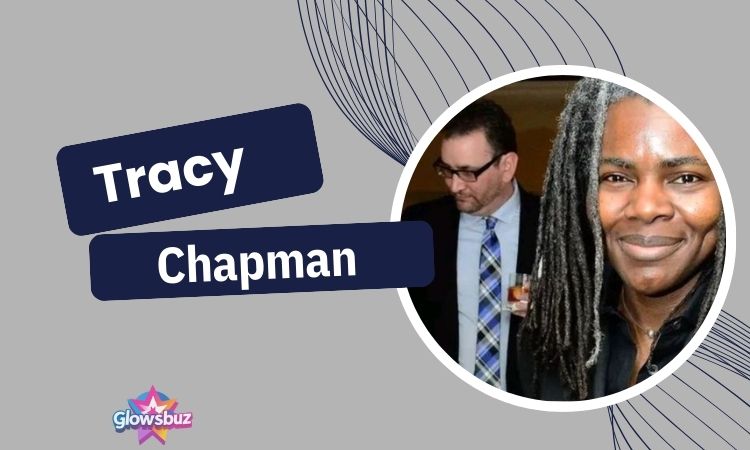
For over three decades, Tracy Chapman has captivated audiences with her soulful voice and socially conscious lyrics. Yet while her music has touched millions, one question continues to dominate search engines and fan forums: Does Tracy Chapman have a husband? The answer reveals more about our celebrity culture than about Chapman herself.
Early Life and the Roots of a Private Nature
Born in Cleveland, Ohio in 1964, Tracy Chapman’s childhood in a working-class environment shaped both her artistry and her protective instincts around personal life. Raised by a single mother following her parents’ separation, Chapman learned early that privacy was precious and vulnerability required caution.
Her journey took her from the streets of Ohio to Tufts University, where she studied Anthropology and African studies on scholarship. These formative years away from the spotlight allowed Chapman to develop her unique worldview and understand how public attention could distort personal truth. Tracy Chapman’s education at Tufts wasn’t just academic; it was where she learned to separate the artist from the individual, a boundary setting philosophy that would define her entire career.
Even then, classmates recall a young woman who was warm yet guarded, generous with her music but selective about personal revelations. This wasn’t aloofness it was self-preservation.
Fame Without Exposure
When Tracy Chapman’s self-titled debut album exploded in 1988, nothing could have prepared her for what came next. “Fast Car” became a household name, while “Talkin’ ’bout a Revolution” and “Baby Can I Hold You” dominated radio and charts worldwide. The album sold over 20 million copies, earning multiple Grammy Awards and transforming Chapman into an international sensation practically overnight.
But here’s what made Chapman different: she refused to play the game.
While her contemporaries embraced tabloid interviews and media circuits, Tracy Chapman made a radical choice to let her music speak while her personal life remained her own. From the very beginning, Tracy Chapman avoided celebrity culture with intentional precision. She gave interviews about her craft, her social activism, and her artistic process, but Tracy Chapman’s relationship history? Off-limits.
Key differences in Chapman’s approach to fame:
- Minimal public appearances outside of performances
- No discussion of dating life or romantic partners
- Selective media engagement focused solely on music
- Absence from celebrity social scenes and award show after-parties
- Zero participation in gossip or promotional relationship narratives
This Tracy Chapman privacy philosophy wasn’t a marketing strategy it was a life value that predated her fame.
The Question of Marriage and the Search for a Husband

So, is Tracy Chapman married? Does Tracy Chapman have a husband? The definitive answer is: there is no public record of Tracy Chapman being married, and she has never confirmed having a spouse.
Yet the question persists. “Tracy Chapman husband name” remains a popular search query, with countless articles speculating about Tracy Chapman’s marriage status and possible secret marriage. This obsession reveals an uncomfortable truth about how we consume fame the assumption that public figures owe us access to their entire lives.
Why the fascination continues:
- Society’s marriage obsession – We’re culturally conditioned to view marriage as a life milestone everyone should share
- The mystery factor – Chapman’s silence has paradoxically increased curiosity
- Gender double standards – Female artists face far more scrutiny about their romantic relationships than male counterparts
- Search engine algorithms – Each query about Tracy Chapman spouse rumors generates more content, perpetuating the cycle
The truth is simple: Tracy Chapman’s marital status is her business, and her refusal to discuss it should be respected, not investigated.
A Notable Past Relationship
While Chapman maintains strict boundaries around her personal life, one relationship has been publicly acknowledged: her mid-1990s partnership with Pulitzer Prize-winning author Alice Walker.
The Alice Walker relationship represents one of the few glimpses into Tracy Chapman’s dating history. Walker, author of “The Color Purple,” and Chapman were together during the 1990s a relationship confirmed by multiple credible sources and Walker’s own references in interviews. Both women handled the relationship with dignity, neither exploiting it for publicity nor denying its existence when it became public knowledge.
What this relationship tells us:
| Aspect | Significance |
|---|---|
| Mutual respect | Both Chapman and Walker maintained privacy throughout |
| No exploitation | Neither used the relationship for career advancement |
| Dignified acknowledgment | When discussed, both spoke thoughtfully and sparingly |
| Boundary modeling | Showed how public figures can have relationships without media circus |
The Tracy Chapman Alice Walker relationship matters not because it satisfies curiosity, but because it demonstrates Chapman’s consistent approach: relationships are personal, not promotional tools.
Sexuality, Identity, and the Right to Silence
Here’s where the conversation becomes crucial: Tracy Chapman has never publicly labeled her sexual orientation, and that is her absolute right.
The LGBTQ+ community has long embraced Chapman as an icon, and her music resonates deeply within that community. But Tracy Chapman’s sexuality isn’t ours to define, debate, or demand explanation about. Tracy Chapman refuses labels not out of shame, but out of principle the principle that her identity is hers to define or not define as she sees fit.
Why forced speculation is harmful:
- Violates consent – Everyone deserves to control their own narrative
- Perpetuates invasiveness – Normalizes the idea that celebrities owe us explanations
- Reduces complexity – Human sexual orientation and identity are nuanced and personal
- Creates double standards – We don’t demand the same from straight male artists
Chapman’s silence on relationships isn’t evasion it’s dignity and silence combined as a powerful statement about autonomy. In an era of oversharing, her approach is revolutionary.
Life Away From the Camera
Between albums and tours, Tracy Chapman’s life away from camera has been remarkably consistent: low profile lifestyle, focused on activism, creativity, and personal pursuits away from pop culture scrutiny.
Chapman resides in the San Francisco Bay Area (general location known, specific address rightfully private), where she’s involved in various social justice causes. Her quiet lifestyle includes:
- Environmental activism and community engagement
- Support for social justice movements
- Creative independence in her music production
- Selective friendships within the music industry
- Zero social media presence a rarity in modern music
Tracy Chapman avoids fame not because she’s ungrateful, but because she understands that fame and fulfillment are not synonymous. While others chase relevance through constant visibility, Chapman has built a life of substance away from cameras, proving that artistic legacy doesn’t require personal exploitation.
The Return That Changed Nothing
When Tracy Chapman performed “Fast Car” with Luke Combs at the Grammy Awards 2024 performance, the internet exploded. The viral moment reintroduced her to a new generation, with millions discovering (or rediscovering) her genius.
Predictably, renewed interest in her music brought renewed questions about Tracy Chapman’s personal life. Does Tracy Chapman have a husband? What is Tracy Chapman’s marriage status now? The questions flooded search engines once again.
Chapman’s response? Exactly what you’d expect: gracious acknowledgment of the musical moment, zero discussion of personal matters. The Grammy performance proved her artistic power while revealing absolutely nothing new about her private life and that was perfectly appropriate.
Why the Question Persists
The obsession with finding Tracy Chapman’s husband or uncovering Tracy Chapman relationship facts reflects broader societal issues:
The “husband question” exposes:
- Gender dynamics – Female artists face disproportionate scrutiny about romantic status
- Parasocial relationships – Fans feel entitled to celebrity intimacy
- Internet culture – The illusion that all information should be accessible
- Privacy erosion – Society’s diminishing respect for personal boundaries
Ironically, Tracy Chapman’s boundaries with fame have increased fascination. The less she shares, the more people want to know missing the point entirely. Her privacy philosophy isn’t a tease; it’s a healthy life value that more public figures should embrace.
A Biography Defined by Boundaries
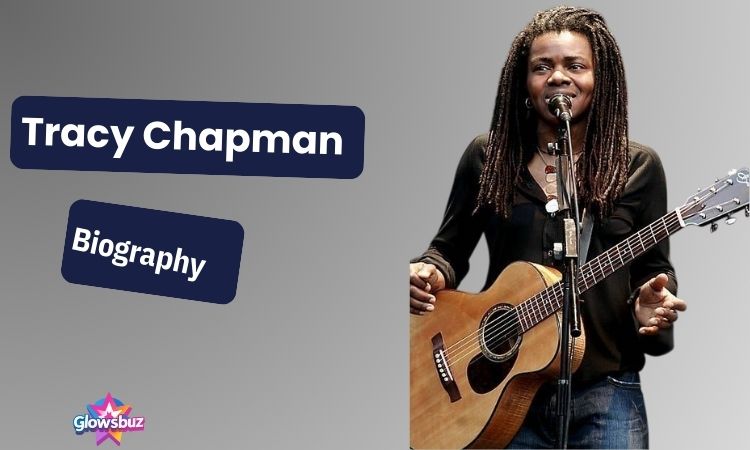
So what do we definitively know about Tracy Chapman?
Confirmed facts:
- Born 1964 in Cleveland, Ohio
- Studied at Tufts University (Anthropology and African studies)
- Released groundbreaking debut album in 1988
- Won multiple Grammy Awards throughout career
- Had a relationship with Alice Walker in the mid-1990s
- Returned to public eye with 2024 Grammy performance
- Has maintained consistent privacy about marital status
What remains speculation:
- Current relationship status or marriage
- Details about Tracy Chapman’s spouse (none confirmed)
- Daily life specifics beyond general location
- Personal friendships and intimate relationships
- Whether Tracy Chapman married secretly
Tracy Chapman’s biography will always have gaps and that’s appropriate. Future biographers will have to respect these boundaries, creating a portrait defined as much by dignity and silence as by artistic achievement. In refusing to be fully known, Chapman has ensured we focus on what matters: the music.
Conclusion
After examining decades of public record and Tracy Chapman relationship rumors, the answer remains unchanged: there is no public information about Tracy Chapman having a husband. No marriage certificates, no spouse confirmations, no Tracy Chapman husband name to report.
But perhaps we’re asking the wrong question entirely.
The real question isn’t “Who is Tracy Chapman married to?” but “Why do we believe we need to know?” Chapman has given us everything she believes we need powerful music that addresses injustice, heartbreak, hope, and human complexity. Her songs reveal her values, her worldview, and her soul. Isn’t that enough?
Tracy Chapman’s private life remains her own by deliberate choice, and this privacy hasn’t diminished her cultural influence or legacy one bit. In fact, it’s enhanced it. She’s proven that you can be musically transparent while remaining personally opaque, that artistic relevance doesn’t require total exposure.
The lesson in Tracy Chapman’s approach: Fame doesn’t entitle anyone to your entire story. Boundaries are healthy. Mystery can coexist with authenticity. And sometimes, the most powerful statement is silence.
So while searches for “Tracy Chapman husband” will likely continue, let’s respect what Chapman has chosen to share and appreciate what truly matters a music legacy that will outlast any relationship status, a voice that changed modern music, and an artist who maintained her dignity in an industry that constantly demands surrender.
Tracy Chapman has given us her truth through song. That should be more than enough.